
A collection of some of the best images we’ve seen from JWST.
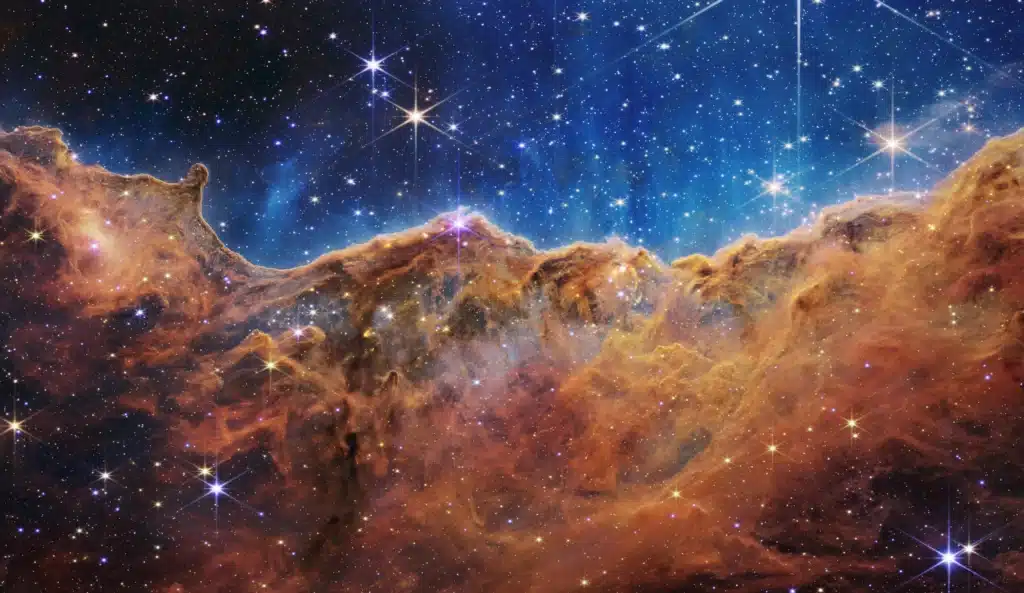
The James Webb Space Telescope has given humanity some of the clearest and most breathtaking looks at the universe ever captured since it became operational in 2022. From glowing nebulae and distant galaxies to star-forming regions and planets outside our solar system, JWST continues to reveal the cosmos in ways that feel almost impossible to comprehend. Here are some of the most stunning images captured by the telescope so far. 🪐
Neptunes Rings
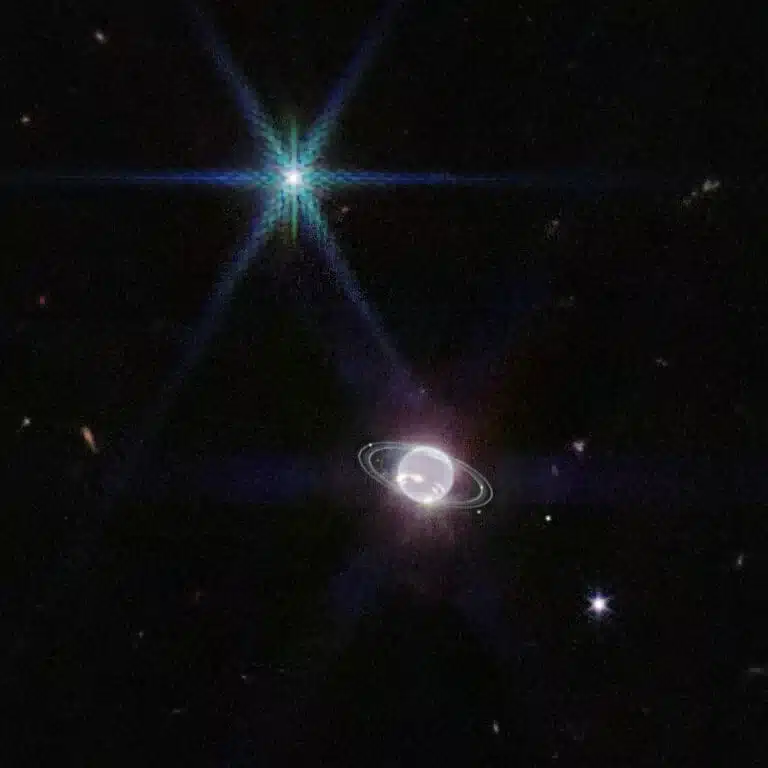
Neptune and its rings shine in this infrared image captured by JWST — released by NASA on Sept. 21, 2022.
Image credit: NASA, ESA, CSA, STScI. Image processing: Joseph DePasquale (STScI)
Jupiter
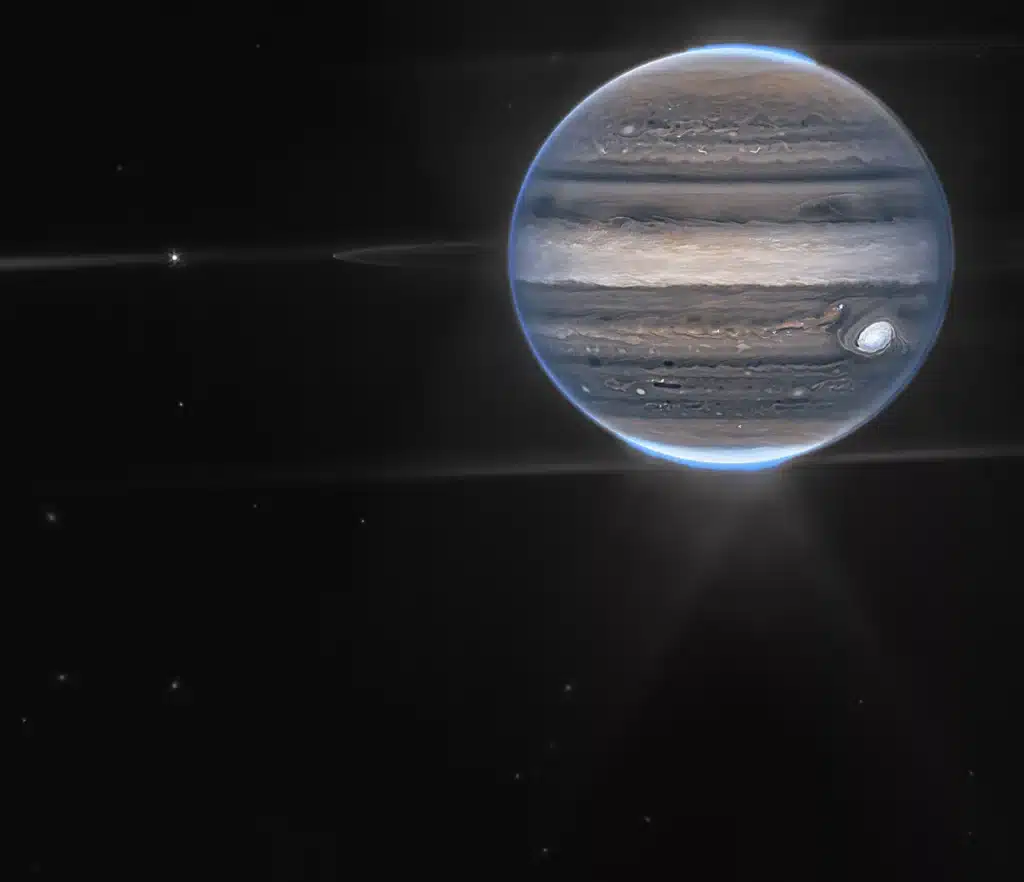
JWST’s Near-Infrared Camera (NIRCam) captured this image of Jupiter showing its auroras, rings, and moons Amalthea and Adrastea.
Image credit: NASA, ESA, CSA, Jupiter ERS Team; image processing by Ricardo Hueso (UPV/EHU) and Judy Schmidt.
Jupiter’s Auroras

JWST’s NIRCam captured this image of Jupiter
Image credit: NASA, ESA, CSA, Jupiter ERS Team; image processing by Judy Schmidt
Cartwheel Galaxy
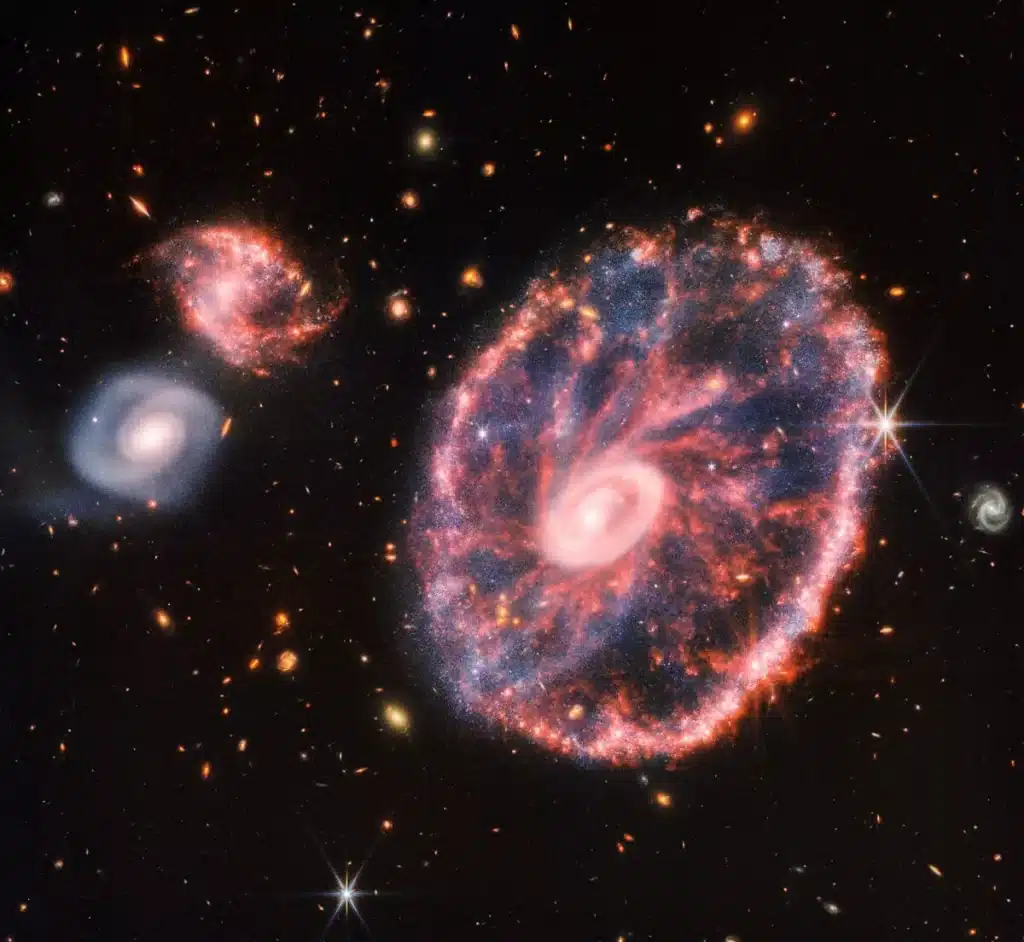
Composite from JWST’s NIRCam and MIRI.
Image credit: NASA, ESA, CSA, STScI, Webb ERO Production Team
Pillars of Creation
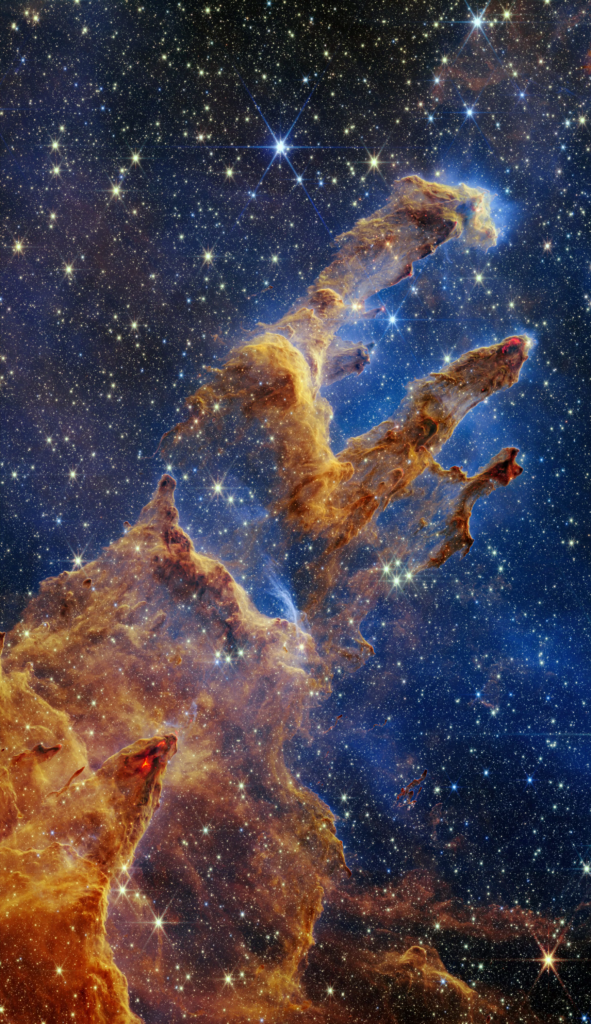
Image credit: NASA, ESA, CSA, STScI; Joseph DePasquale (STScI), Anton M. Koekemoer (STScI), Alyssa Pagan (STScI)
Stephan’s Quintet
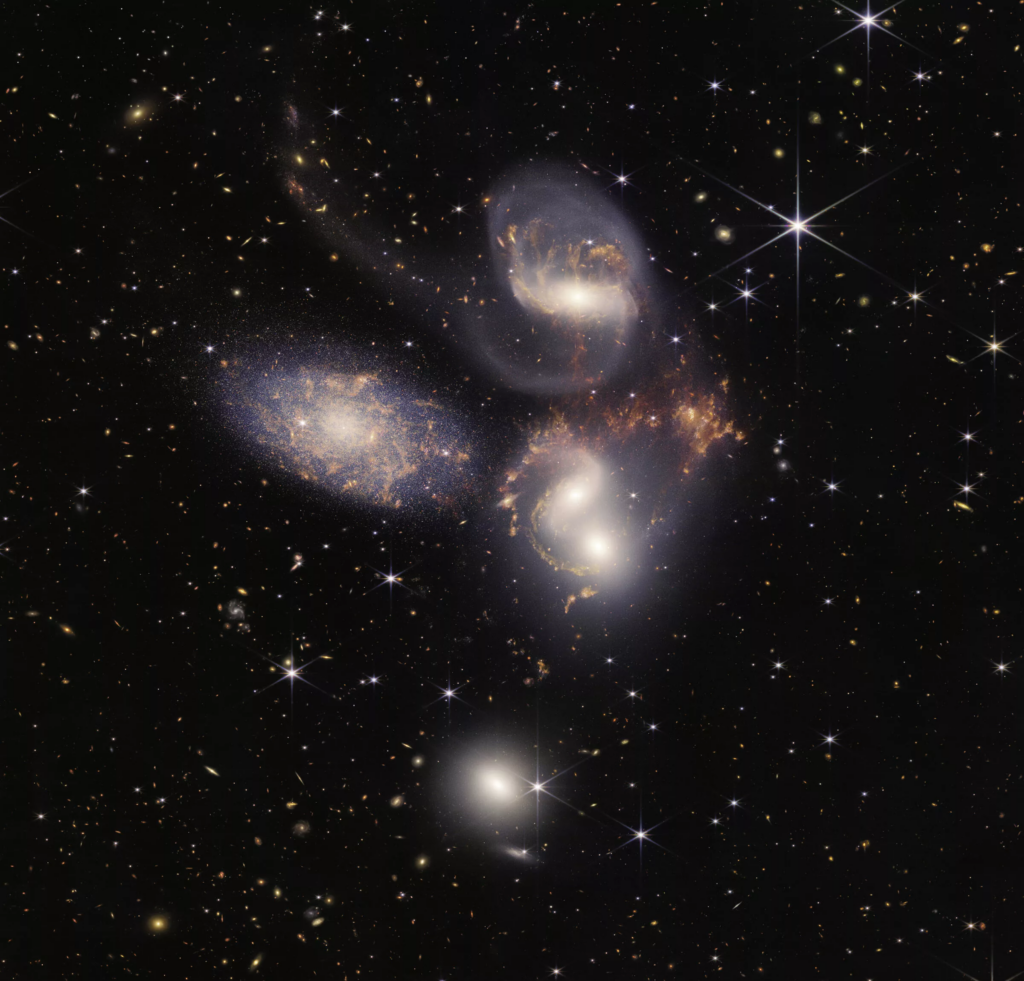
Stephan’s Quintet is a group of five galaxies ~290 million light-years away in the constellation Pegasus
Image credit: NASA, ESA, CSA, STScI
Saturn

Image credit: NASA, ESA, CSA, Matthew Tiscareno (SETI Institute), Matthew Hedman (University of Idaho), Maryame El Moutamid (Cornell University), Mark Showalter (SETI Institute), Leigh Fletcher (University of Leicester), Heidi Hammel (AURA), Joseph DePasquale (STScI)
First Deep Field Image
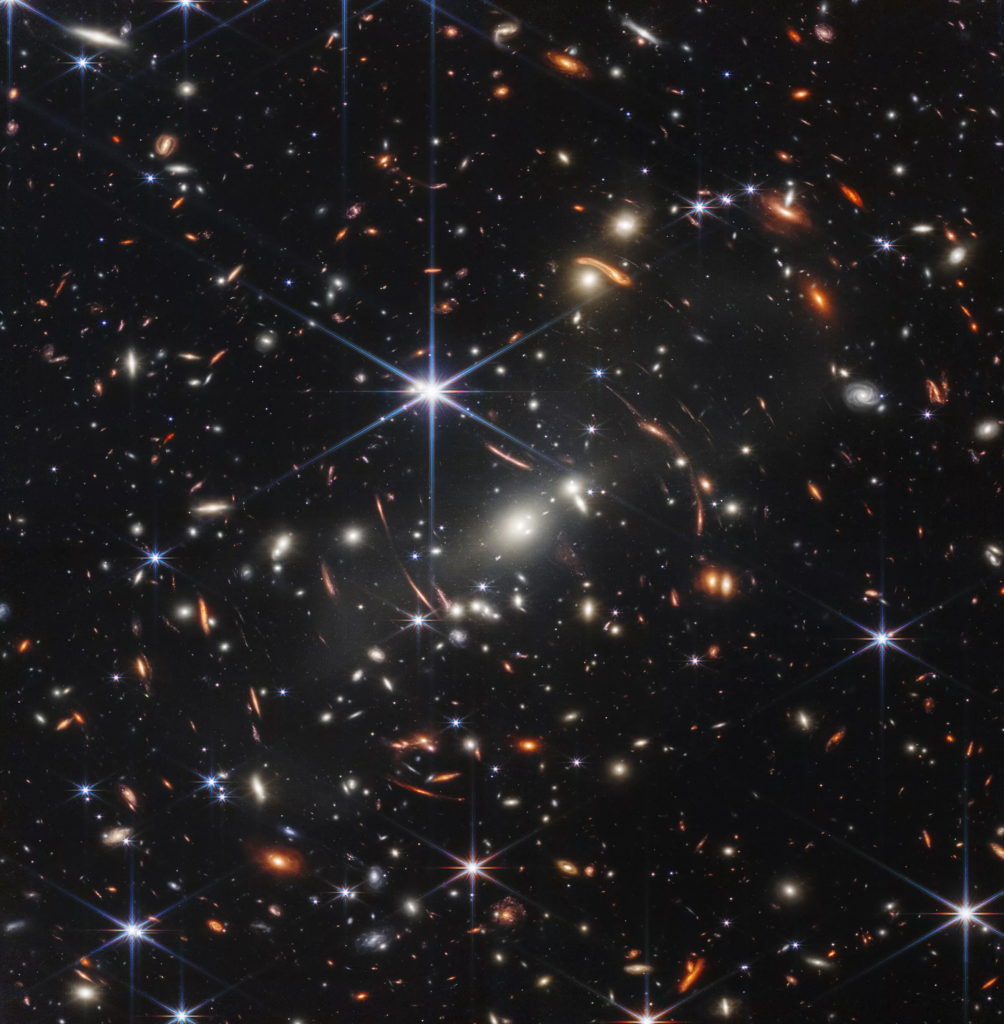
JWST’s first science image was released a day early, announced by Joe Biden.
Image credit: NASA/ESA/CSA/STScI
Spiral Galaxy NGC 1433
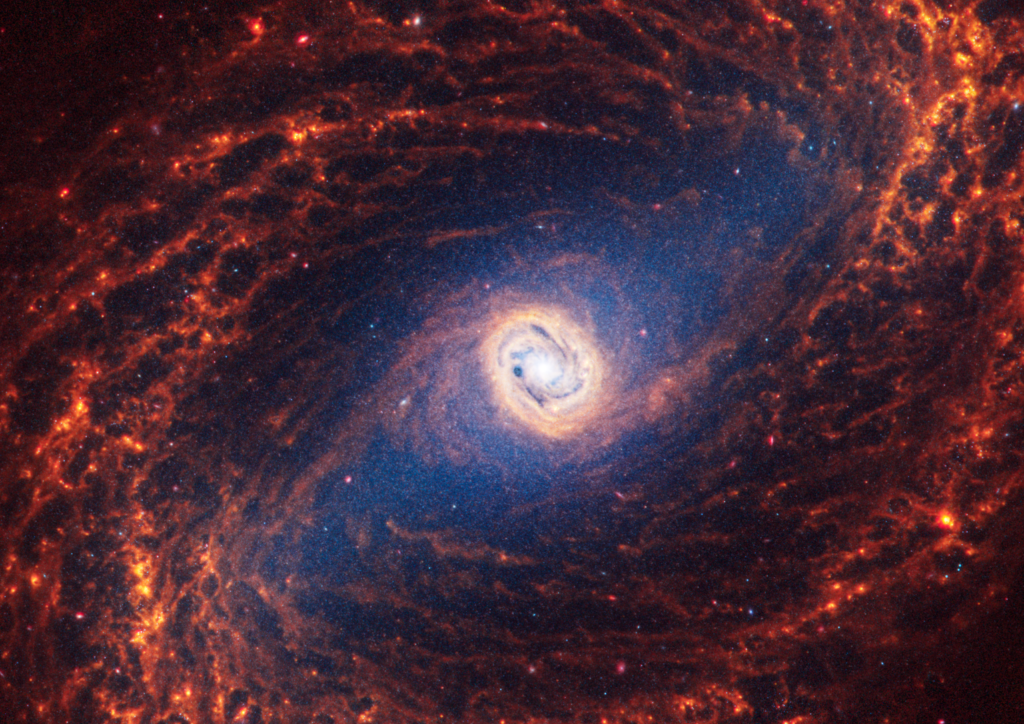
NGC 1433, is split diagonally in this image: The James Webb Space Telescope’s observations appear at top left, and the Hubble Space Telescope’s on bottom right. Webb and Hubble’s images show a striking contrast, an inverse of darkness and light.
Image credit: NASA, STScl
A look at the telescope
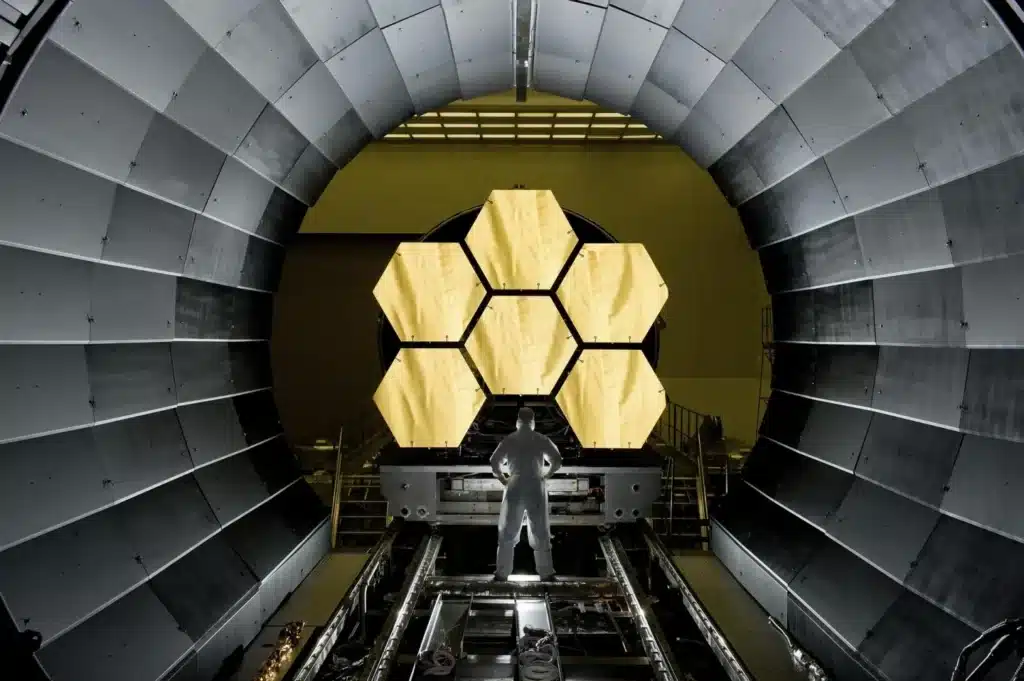
Image credit: David Higginbotham, NASA
WASP-18 b
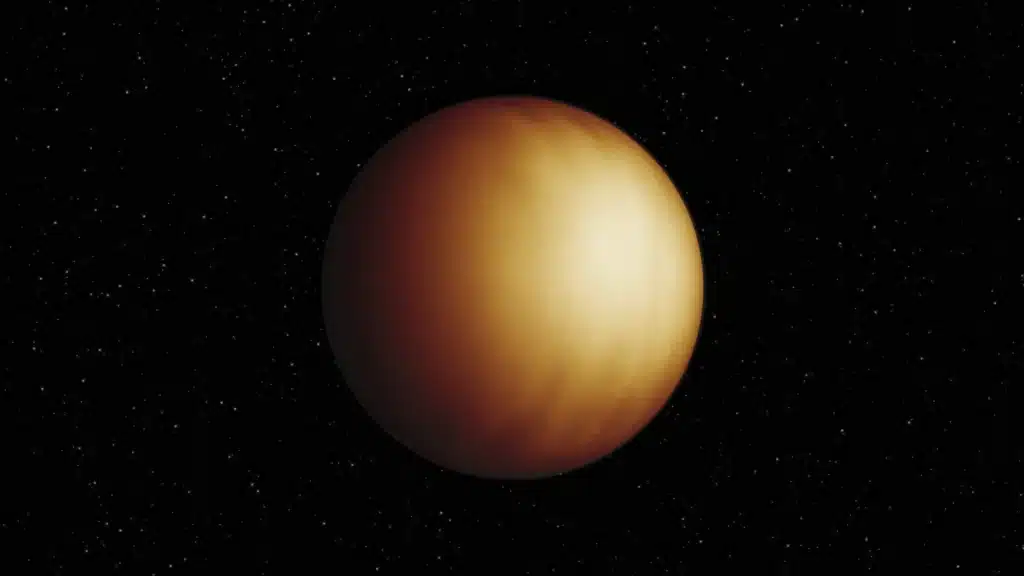
Image credit: Credits: NASA, JPL-Caltech, K. Miller/IPAC
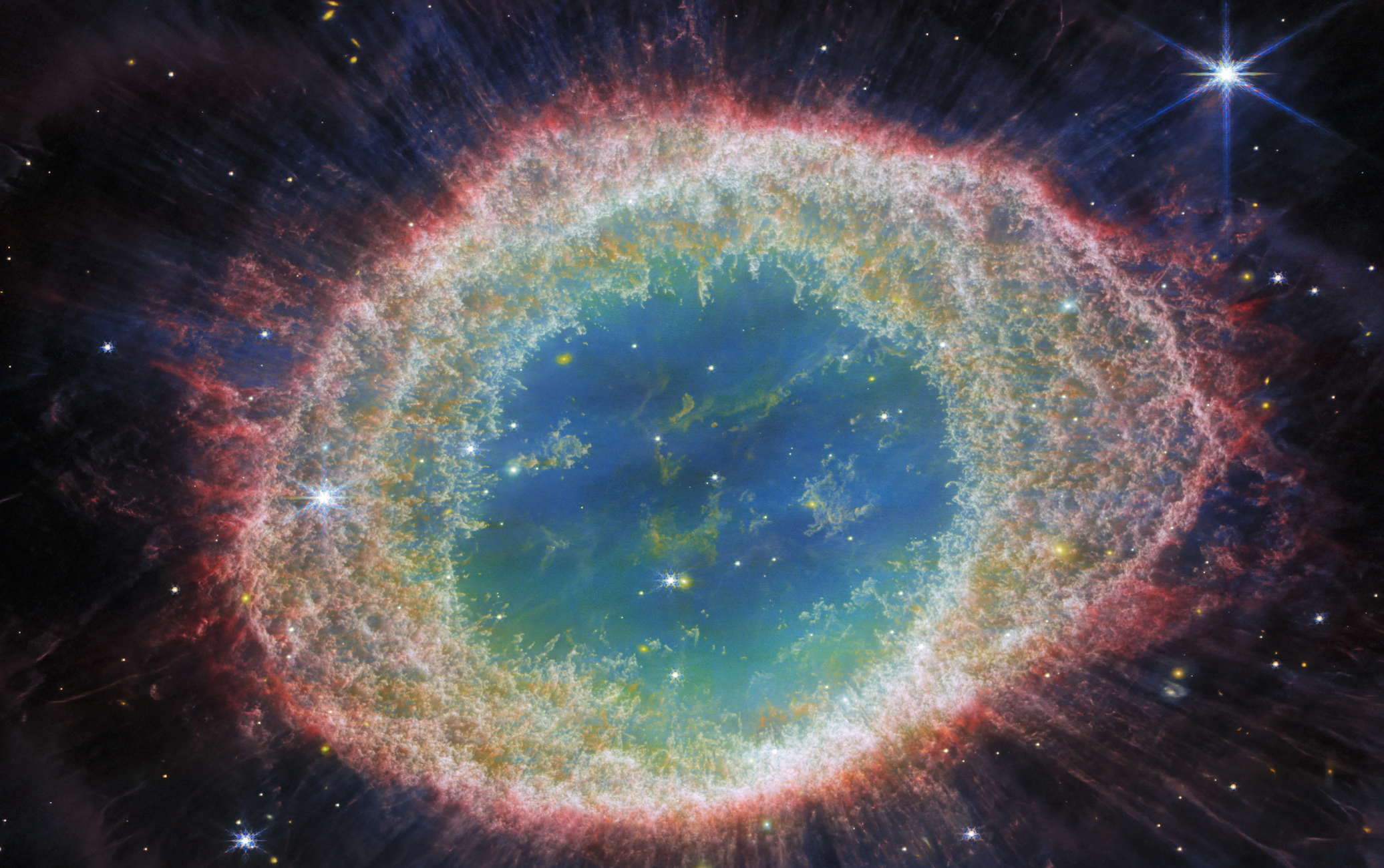
Ring Nebula
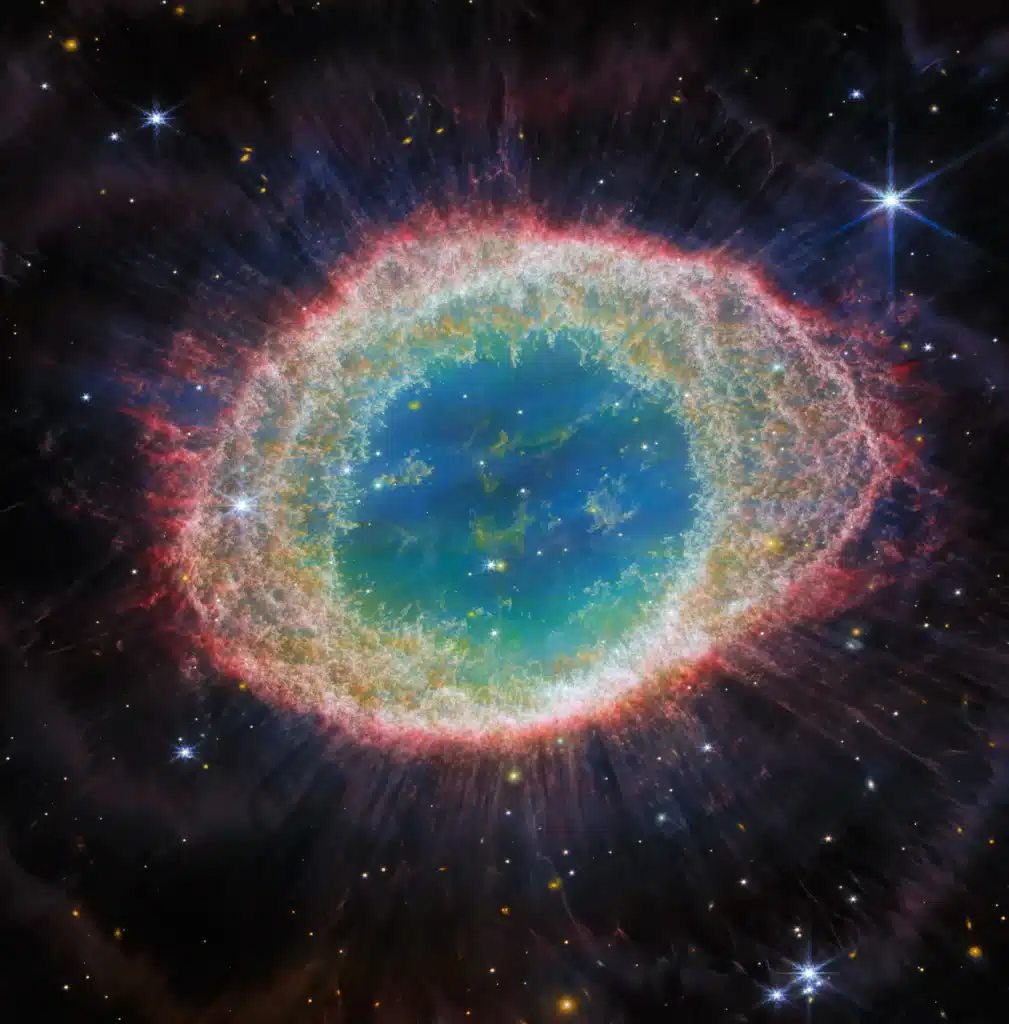
This celestial wonder comes from a star that is shedding its outer layers as it nears the end of its life cycle. Located ~2,500 light-years from Earth.
Image credit: NASA, CSA, ESA/Webb, M. Barlow (University College London), N. Cox (ACRI-ST), R. Wesson (Cardiff University))
Uranus
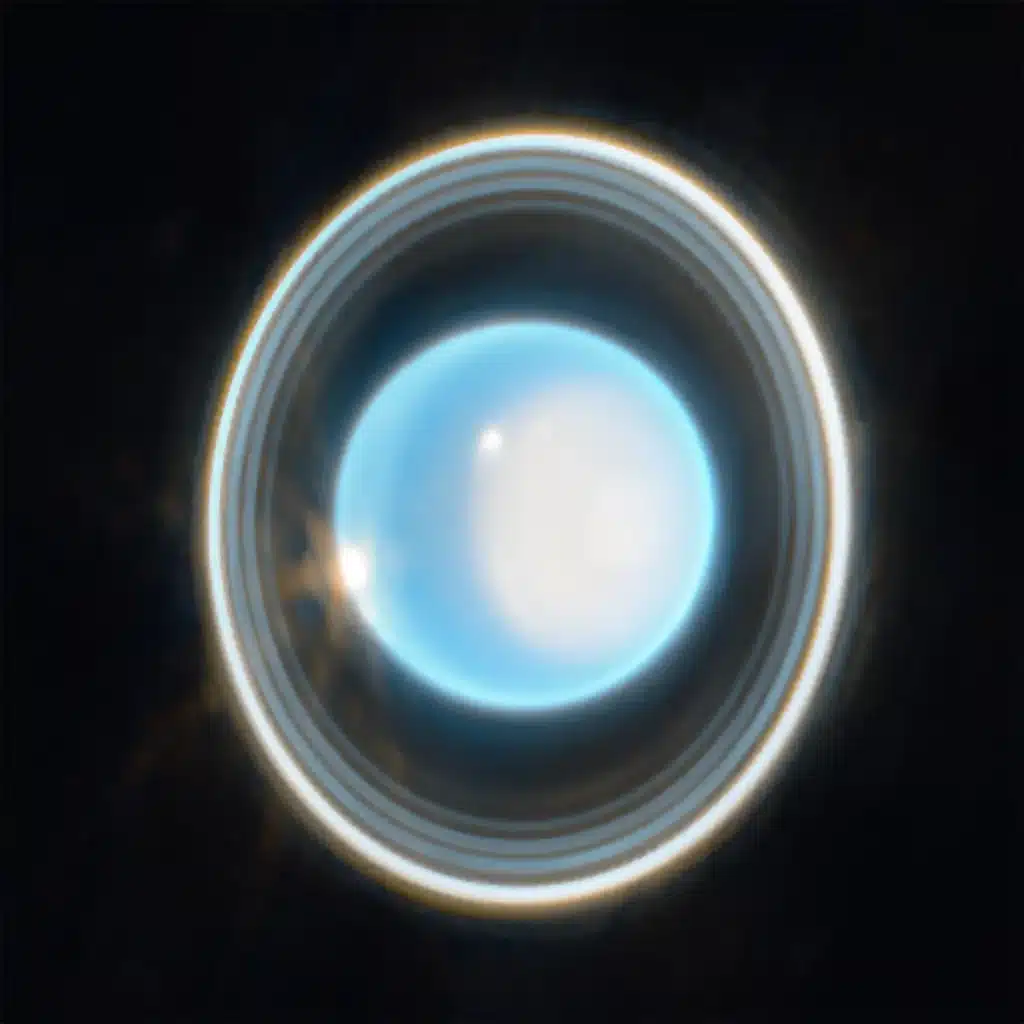
JWST’s stunning zoomed-in image of the ice giant.
Image credit: NASA, ESA, CSA, STScI; Image Processing: Joseph DePasquale (STScI)
As the James Webb Space Telescope continues to observe deeper into the universe, this collection will continue to grow. We’ll keep updating this article with new standout images from JWST as NASA and its partners release more views of galaxies, nebulae, stars, planets, and other cosmic discoveries.
For more space news, check out our site.